But First Coffee Gnome: A Designer's Take on 20oz Tumbler Wraps
As someone who spends more time at the hoop than I do sleeping, I approach every new design asset with a mix of excitement and skepticism. We've all been there: you buy a cute file, load it up, and realize the stitch density is a nightmare or the details are too tiny for the intended fabric. That is why I took a close look at the But First Coffee Gnome 20oz Tumbler Wrap. While this product is technically listed under Tumbler Wraps and Graphics, my brain immediately started translating these high-resolution PNGs into tangible embroidery project possibilities. Let's break down how this whimsical design holds up when moved from a digital screen to a real-world handmade product.
First Impressions: Mood and Visual Personality
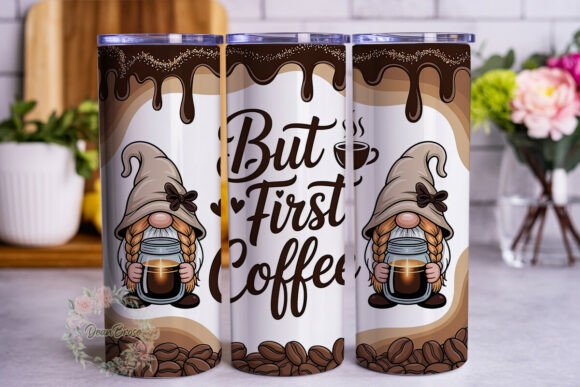
The moment I pulled up the files, the vibe was unmistakable. This isn't just a coffee cup; it's a lifestyle statement wrapped in folklore charm. The "But First Coffee" theme is evergreen in the crafting world, but adding a gnome elevates it from generic text to a character-driven narrative. The layout, spanning 9.3″ x 8.2″, suggests a bold presence. In the context of Graphics, this resolution (300 DPI) is crisp, meaning the lines are clean and ready for tracing or digitizing if you are ambitious enough to convert it yourself.
For an embroidery designer, the visual personality here screams "cozy." It feels right at home on autumnal decor, morning routine essentials, or gifts for the friend who runs on caffeine and kindness. The shape is substantial, implying that this design needs room to breathe. It wouldn't work well crammed into a 4x4 hoop as a full-scale piece, but as a centerpiece on a larger item, it has serious potential.
Translating Tumbler Wraps to Embroidery Applications
You might be wondering why I am reviewing a tumbler wrap for embroidery purposes. The answer lies in versatility. Many Etsy sellers and craft business owners buy graphic bundles to create cohesive branding across different mediums. Imagine a small shop launching a "Morning Brew" collection. You could use the original PNG for sublimation on tumblers while simultaneously using the artwork as a reference for a matching sweatshirt embroidery line.
In a real-life scenario, I envisioned this design stitched onto a heavy-weight canvas tote bag design. The gnome's beard and the steam rising from the coffee cup would translate beautifully into textured fill stitch work, while the lettering could be handled with a clean satin stitch for readability. Alternatively, picture this on a kitchen towel or apron for a housewarming personalized gift. The whimsical nature of the gnome softens the utility of the item, making it something the recipient actually wants to display rather than hide in a drawer.
For those running a small shop product line, this could also serve as the basis for an embroidered patch. If you were to digitize this specifically for a patch, the bold outlines would ensure the design remains legible even from a distance. It fits perfectly into the current trend of cottage-core aesthetics mixed with modern coffee culture.
Practical Considerations for Stitching
Before you rush to stitch this out, we need to talk about the technical realities. Since the source files are PNGs intended for printing or sublimation, they are not ready-to-stitch embroidery files. This is a crucial distinction. If you plan to use this for commercial embroidery, you will need to digitize it or hire a digitizer. This gives you control over the stitch density, which is vital for a design of this scale.
When adapting this for fabric, pay close attention to the lettering. "But First Coffee" likely contains some finer details. On textured fabrics like terrycloth towels or fleece baby embroidery items, small text can get lost. I recommend testing the design on scrap fabric first. Check your thread color contrast; a dark thread on a dark garment might look moody in a mockup but will be unreadable in person. Always test it in black and white mockups to ensure the value contrast holds up without relying on color alone.
Furthermore, consider the hoop size. A design dimension of nearly 9 inches wide requires a large hoop, possibly a jumbo hoop depending on your machine. If you are working with a standard machine, you might need to split the design or scale it down, though scaling down risks losing the intricate details of the gnome's hat or the coffee cup handle. For curved surfaces like caps, this specific wide layout would be challenging unless significantly redesigned for a front-center placement.
Fabric Choices and Stabilizer Strategy
The success of this finished product hinges on your material choice. For a design with this much visual weight, thin or stretchy fabrics are risky without proper support. If you are attempting this on a t-shirt, you must use a high-quality cut-away stabilizer to prevent puckering over time. Dense stitch areas, especially if you decide to fill the entire gnome figure, can cause lightweight fabric to warp.
Ideally, this design shines on stable, medium-to-heavy weight fabrics. Think denim jackets, canvas totes, or structured pillow covers. These materials provide the necessary foundation for the stitches to sit flat and crisp. If you are aiming for a holiday embroidery project, perhaps a felt ornament or a wool blend blanket would offer the right texture to complement the rustic gnome theme. Avoid using this on slippery silks or highly textured bouclé unless you are an experienced handler of difficult fabrics.
Building Brand Trust and Customer Appeal
From a business perspective, the quality of your design directly impacts customer trust. A blurry or poorly stitched gnome looks amateurish, whereas a crisp, well-executed version signals professionalism. Using high-quality design assets like this 300 DPI source file ensures that your printable mockup images for your online store look sharp. When customers see a professional presentation, they are more willing to invest in your custom apparel or home goods.
This specific design fosters engagement because it is relatable. Everyone knows someone who needs coffee before they can function. By offering this as a personalized product—perhaps adding a name below the gnome—you increase the perceived value. It transforms from a generic decoration into a thoughtful wedding gift for a couple who loves morning routines together, or a fun treat for a teacher.
Final Verdict and Designer Notes
The But First Coffee Gnome 20oz Tumbler Wrap is a versatile graphic that offers immense potential for creative entrepreneurs willing to put in the legwork to adapt it for embroidery. It is not a plug-and-play digital embroidery file, but rather a high-quality art source that rewards those who understand digitization and fabric dynamics.
Here are my final practical notes for anyone taking this on:
- Check Licensing: Before selling finished items or digital products based on this art, confirm the licensing terms provided by the seller. Just because you bought the graphic doesn't automatically grant commercial embroidery rights.
- Digitize with Care: If converting to an applique design or standard stitch file, simplify the details. Too many tiny jumps or trims can frustrate the machine and ruin the aesthetic.
- Test Colors: Review thread color charts against your intended fabric. What looks good on screen might clash in reality.
- Inspect Small Details: Look closely at the gnome's facial features and the text. Ensure they are large enough to stitch clearly on your chosen material.
- Compare Backgrounds: Visualize the design on both light and dark fabric backgrounds to ensure versatility in your product line.
In conclusion, if you are looking to add a touch of whimsy to your craft business or create a standout holiday gift, this design is a strong contender. With the right preparation and respect for the materials, the But First Coffee Gnome can become a staple in your portfolio of handmade products.