Golf Enthusiast 20oz Tumbler Wrap: A Designer's Review
As a designer who spends more time staring at stitch maps and thread charts than I do actually golfing, I approach every new digital embroidery file with a mix of excitement and skepticism. We have all been there: you buy a design based on a pretty thumbnail, only to find out later that the stitch density is too high for a polo shirt or the tiny details turn into a bird's nest on textured fabric. Today, I am taking a close look at the Golf Enthusiast 20oz Tumbler Wrap. While this asset is marketed primarily as a graphic for sublimation or printing on drinkware, my job is to evaluate its potential when translated into the world of needle and thread for real-world embroidery projects.
First Impressions and Visual Personality
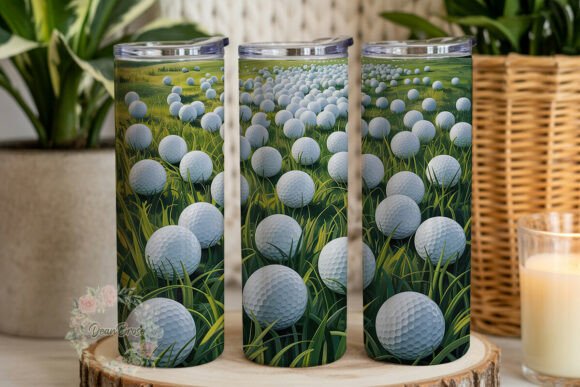
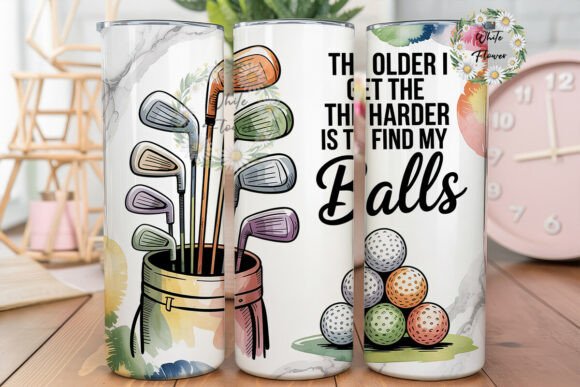
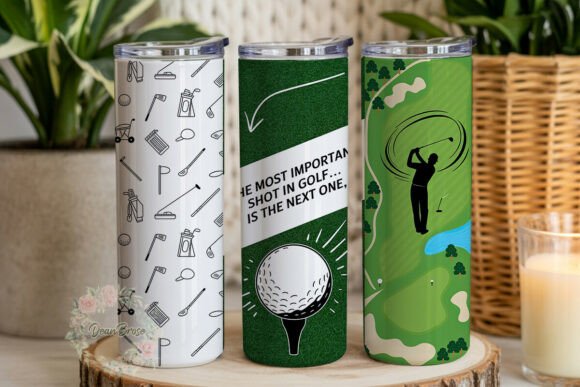
When I first opened the files for the Golf Enthusiast 20oz Tumbler Wrap, the immediate takeaway was the clarity of the layout. The dimensions are listed at 9.3″ x 8.2″, which is a substantial footprint. In the world of Tumbler Wraps, this size is standard for covering a 20oz straight or tapered tumbler, but for an embroiderer, this signals a large-scale embroidery project. The mood of the design is sporty yet refined, capturing that specific "weekend warrior" aesthetic that sells incredibly well in boutique shops.
The visual personality here is key. It is not just a generic golf ball icon; it suggests a lifestyle. For a craft business owner, this distinction matters. Customers are not just buying a logo; they are buying an identity. Whether you are creating a personalized gift for a dad who loves the links or stocking inventory for a pro shop, the design needs to feel premium. The high resolution of 300 DPI in the source Graphics ensures that if you are using this as a reference to recreate the look with satin and fill stitches, the edges will be crisp, allowing you to trace clean vectors for your digitizing software.
Real-World Application Scenarios
Let's move beyond theory and talk about how this design functions in a actual production environment. Imagine a scenario where a local country club approaches you for a batch of custom apparel for their annual charity tournament. They want something more unique than a left-chest logo. This is where the scale of the Golf Enthusiast 20oz Tumbler Wrap becomes an asset. While you cannot embroider a full wrap around a tumbler with a standard home machine due to the curvature and size constraints, you can adapt the central motifs for a large back-of-shirt sweatshirt embroidery or a statement tote bag design.
I recently worked on a project for a small shop product line featuring luxury beach towels. The client wanted a bold, centered graphic. Using the composition of this wrap as a guide, I extracted the main elements to create a custom applique design. The result was a finished product that felt high-end and exclusive. Similarly, for an Etsy seller focusing on holiday embroidery gifts, this theme works beautifully for Father's Day or Christmas. You could scale down the elements to create a coordinated set: a matching embroidered patch for a cap and a smaller version for a kitchen towel.
The versatility extends to baby embroidery as well. With some simplification, the playful aspects of the golf theme can be softened for a nursery decor item, like a pillow cover or a blanket for a new arrival in a golf-loving family. The key is recognizing that the Golf Enthusiast 20oz Tumbler Wrap provides a complete visual story that can be deconstructed and rebuilt across various mediums.
Technical Considerations for Stitching
Here is where we need to be realistic and cautious. The source files are PNGs intended for printing, not native embroidery formats like PES or DST. This means you cannot simply load this into your machine and hit start. If you are planning to use this for commercial embroidery, you must digitize it from scratch or hire a professional digitizer to convert the artwork. This is a crucial step often overlooked by beginners.
When adapting a large graphic like this for fabric, stitch density is your biggest enemy. A design meant to be printed at 9 inches wide can easily become a stiff cardboard patch if stitched with 100% fill stitches. To maintain the drape of a sweatshirt or t-shirt, you should rely heavily on satin stitch for borders and text, and use open fill stitch patterns or even running stitch details for the background elements. This keeps the handmade product soft and wearable.
Fabric choice is equally critical. If you attempt to stitch a dense version of this design on a thin, stretchy performance polo, you risk puckering and distortion. Always test the design on scrap fabric first. I recommend using a cut-away stabilizer for anything larger than a 4-inch hoop to ensure stability over time, especially for items that will undergo frequent washing like custom apparel. For curved surfaces like caps, remember that a 9-inch wide design is impossible to stitch in one go; you would need to break it into sections or significantly resize the focal point.
Enhancing Brand Value and Customer Trust
In the competitive landscape of design assets and handmade goods, presentation is everything. Using a cohesive theme like the Golf Enthusiast 20oz Tumbler Wrap allows for strong brand consistency. If you are an Etsy seller, creating a collection that includes a tumbler (printed), a matching tote bag (embroidered), and a cap (embroidered) creates a powerful upsell opportunity. It shows the customer that you offer a complete lifestyle package, not just a random item.
This level of coordination boosts customer trust and perceived value. A buyer is more likely to pay a premium for a personalized gift that looks professionally curated. Furthermore, using high-quality source art ensures that your printable mockup images for your online store look sharp and professional, driving higher engagement and click-through rates. The attention to detail in the original graphic translates into the care you put into your stitching, which savvy customers can spot immediately.
Practical Notes for the Working Designer
Before you commit to producing a run of these items, keep these practical tips in mind:
- Check Licensing: Since this is sold as a graphic for tumblers, verify the license terms before selling finished embroidered goods. Some creators allow personal use only, while others permit commercial application.
- Thread Color Contrast: When converting the image to stitches, ensure your thread colors provide enough contrast. What looks good on a screen might blend together on fabric, especially under different lighting conditions.
- Hoop Size Limits: Confirm your machine's maximum hoop size. You may need to use a "split" technique for larger designs if you are recreating the full width on a garment.
- Mockup Testing: Test the design in black and white mockups first to check the balance of light and dark areas without the distraction of color.
- Detail Inspection: Zoom in on the smallest text or lines. If they are too fine for embroidery, simplify them. Tiny lettering often fills in and becomes unreadable after washing.
In conclusion, the Golf Enthusiast 20oz Tumbler Wrap is a versatile visual asset that, when handled with technical skill, can elevate a range of embroidery projects. It bridges the gap between digital print trends and tactile handmade quality. By respecting the limitations of fabric and thread while leveraging the strong composition of the original art, you can create finished products that stand out in any craft business or boutique collection.