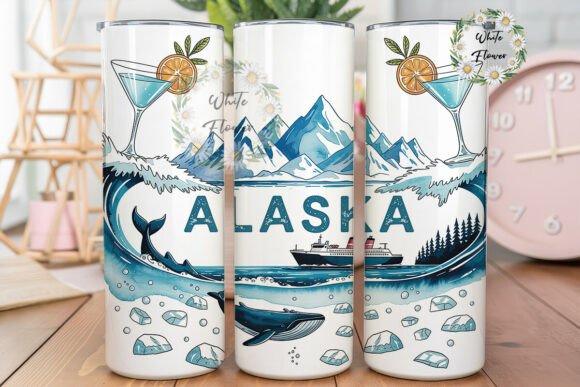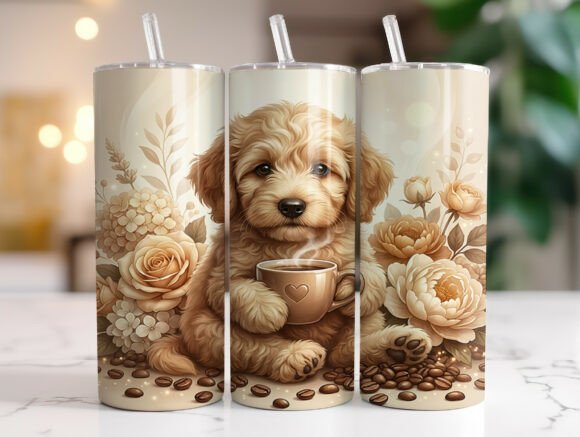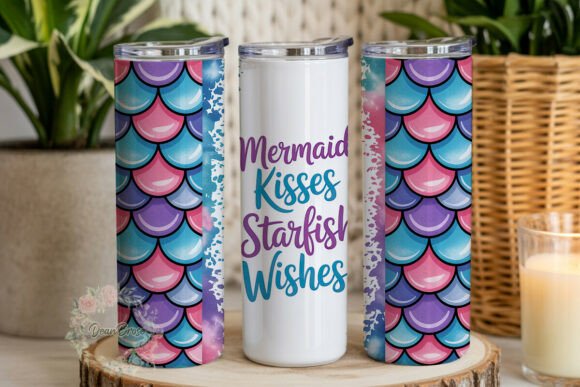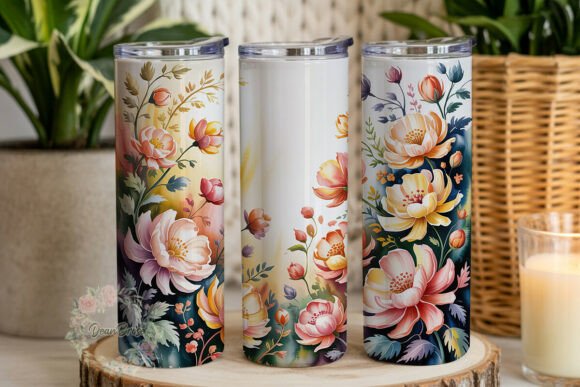
Ocean Seashell Starfish 20oz Tumbler Design Review
As a designer who spends more time at the hoop than away from it, I approach every new digital embroidery file with a critical eye. It is not just about whether an image looks pretty on a screen; it is about how that design translates into thread, how it sits on fabric, and whether it will hold up to the scrutiny of a paying customer. Today, I am taking a close look at the Ocean Seashell Starfish 20oz Tumbler graphic. While this asset is categorized under Tumbler Wraps and marketed primarily for sublimation or printing, my job is to evaluate its potential crossover into the world of physical stitching and handmade goods.
First Impressions: Mood and Visual Personality
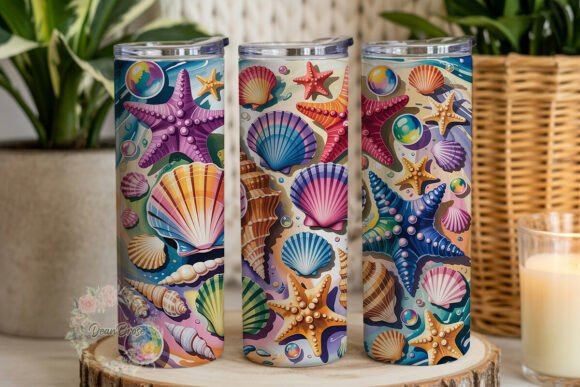
When I first opened the high-resolution PNG files included in this package, the immediate impression was one of coastal serenity. The layout features a classic arrangement of seashells and starfish, evoking a beachcomber's treasure chest. For an embroidery project, the visual personality here is crucial. The design relies on organic shapes and natural curves, which generally translate very well into satin and fill stitches. The composition feels balanced, avoiding the cluttered look that often plagues nautical themes. The mood is relaxed and inviting, making it an ideal candidate for summer collections, nursery decor, or boutique items targeting lovers of marine life.
The dimensions provided—9.3″ x 8.2″—offer a generous canvas. In the context of embroidery, this scale suggests a statement piece rather than a subtle accent. It is large enough to command attention on a tote bag or a pillow cover but requires careful planning regarding hoop size and fabric stability.
Real-World Application: From Screen to Stitch
Let's move beyond theory and imagine a real-life scenario. Suppose you are a small shop owner preparing for a summer craft fair. You want to create a line of custom apparel that stands out without looking mass-produced. You decide to adapt the Ocean Seashell Starfish 20oz Tumbler motif for a series of heavy cotton tote bags and linen aprons.
Because the source files are high-resolution graphics (300 DPI) and not pre-digitized stitch files, you have the creative freedom to digitize them yourself or hire a professional digitizer. This is actually a significant advantage. You can tailor the stitch density to match your specific fabric choice. For a sturdy canvas tote, you might opt for denser fill stitches to give the shells a solid, textured feel. Conversely, for a lightweight linen apron, you could utilize more running stitches and open fills to prevent puckering and maintain the fabric's drape.
This flexibility allows the design to shine in various contexts:
- Sweatshirt Embroidery: The organic shapes work beautifully on fleece, provided the underlay is sufficient to prevent the design from sinking into the nap.
- Baby Embroidery: Simplified versions of these shells could be stunning on a baby blanket, offering a soft, tactile experience for little hands.
- Embroidered Patch: The clear outlines of the starfish and shells make this an excellent candidate for a merrow-edge patch, perfect for adding to denim jackets or hats.
- Holiday Embroidery: While inherently summery, tweaking the color palette could adapt this for coastal-themed holiday gifts, like Christmas ornaments for beach houses.
Technical Considerations and Fabric Challenges
However, enthusiasm must be tempered with technical reality. Since the Ocean Seashell Starfish 20oz Tumbler originates as a graphic for Tumbler Wraps, it was likely designed with printing in mind, where gradients and tiny details render effortlessly. Embroidery is a different beast entirely.
If you plan to stitch this design, you must be vigilant about thread colors and contrast. On dark fabrics, the lighter tones of the shells will pop, but you need to ensure your digitizing includes a robust underlay to prevent the background fabric from showing through. On stretchy fabrics like jersey knits, the large surface area of this design (over 9 inches wide) poses a risk of distortion. Without the proper stabilizer—likely a cut-away for long-term durability—the design could warp after washing, ruining the finished product.
Small details are another area of concern. The original graphic may contain fine lines or tiny textural elements within the shells that simply cannot be replicated with thread at a reasonable size. When digitizing, you may need to simplify these areas, converting complex textures into broader satin columns or tatami fills. Always test the design on scrap fabric first. Check how the corners of the starfish points stitch out; sharp angles often require tie-offs or specific sequencing to avoid thread breaks or bird nests.
Where to Use Caution
Not every surface is suitable for a design of this magnitude. Be cautious when applying this to:
- Curved Surfaces: While great for flat tumblers via print, stitching this on a curved cap brim would be extremely difficult and likely distort the image.
- Thin Fabrics: Silk or thin rayon requires expert handling; the weight of the thread might overwhelm the material.
- Frequent Wash Items: If the stitch density is too high, the item may become stiff and uncomfortable, reducing its value as a wearable personalized gift.
Impact on Brand and Customer Perception
For an Etsy seller or creative entrepreneur, the quality of your design assets directly influences buyer engagement. A well-executed embroidery of the Ocean Seashell Starfish 20oz Tumbler theme signals professionalism. It shows that you understand how to take a digital concept and translate it into a tangible, high-quality handmade product. Customers trust brands that deliver consistency; if your stitching is clean, your thread choices are harmonious, and the design holds up over time, you build a reputation for reliability.
Furthermore, using versatile graphics like this allows for brand consistency across different product lines. You could offer the printed version on mugs and the embroidered version on towels, creating a cohesive "Ocean Collection" for your boutique. This cross-platform approach maximizes the utility of your design assets and increases the perceived value of your shop.
Final Verdict and Designer Notes
The Ocean Seashell Starfish 20oz Tumbler graphic is a strong foundation for a variety of creative projects, provided it is treated with the respect it deserves during the transition from pixel to thread. It is not a plug-and-play machine embroidery design out of the box, but rather a high-quality source image ripe for customization.
Before committing to a full production run, keep these practical notes in mind:
- Check Licensing: Ensure the license terms allow for commercial use of derived embroidered products. The description notes the files are watermark-free, which is good for production, but always verify resale rights.
- Mockup Testing: Create black and white mockups to analyze the contrast and shape integrity before buying thread.
- Hoop Size Confirmation: Verify that your machine can handle the required hoop size for a 9.3″ wide design, or be prepared to split the design if necessary.
- Fabric Texture: Remember that fabric texture changes the final look. A smooth satin stitch looks different on twill than it does on pique knit.
In conclusion, while this product is labeled for tumbler wraps, its potential extends far beyond printed cups. With thoughtful digitizing and material selection, it can become a standout element in your craft business, elevating everything from tote bag designs to luxury home decor. It is a reminder that in our industry, the best results come not just from buying the right file, but from understanding how to wield it.