Retro Chef Life Hack 20oz Tumbler Wrap Review
As a designer who spends more time staring at stitch maps and fabric swatches than I do sleeping, I approach every new design asset with a healthy dose of skepticism. We have all been there: you buy a file based on a pretty thumbnail, only to find out the stitch density is too high for standard cotton or the details vanish once the thread hits the fabric texture. Today, I am taking a close look at the Retro Chef Life Hack 20oz Tumbler Wrap. While this product is categorized under Tumbler Wraps and Graphics, my interest lies in how we, as embroidery professionals and small business owners, can translate these visual elements into tangible, stitched products that sell.
First Impressions: Nostalgia Meets Modern Utility
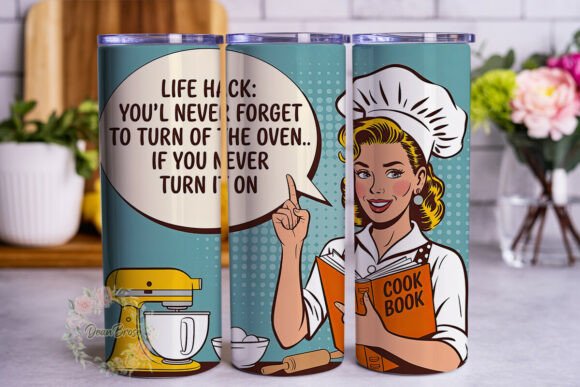
When I first pulled up the files for the Retro Chef Life Hack 20oz Tumbler Wrap, the immediate vibe was unmistakable. There is a specific warmth to retro kitchen aesthetics that resonates deeply with current trends. The layout, sized at 9.3″ x 8.2″ with a crisp 300 DPI resolution, suggests a design meant to wrap around a curve, but for an embroiderer, this translates to a substantial graphic element. The "Life Hack" theme implies functionality and wit, which are perfect selling points for handmade products.
The visual personality here is bold. It is not a delicate, whisper-quiet motif; it demands attention. For a craft business owner, this is gold. It speaks directly to the home cook, the foodie, and the person who takes pride in their culinary chaos. However, because the source files are PNGs intended for sublimation or printing, the challenge—and the opportunity—lies in interpreting this graphic into a machine embroidery design. We are not just printing ink; we are building with thread.
Real-World Application: From Digital File to Stitched Goods
Let's move beyond theory and talk about a real scenario. Imagine you are preparing for a holiday rush at your Etsy seller shop. You need a standout item that isn't just another monogrammed towel. This is where the Retro Chef Life Hack 20oz Tumbler Wrap concept shines if adapted correctly. I envision taking the central motif from this graphic and digitizing it for a heavy-weight linen apron or a structured tote bag design.
In a custom apparel context, picture a oversized sweatshirt. The retro chef theme fits perfectly on the back of a sweatshirt embroidery project, creating a statement piece for a boutique cafe staff or a cooking enthusiast. If you were to create an embroidered patch using the core elements of this design, it could be applied to denim jackets or canvas caps, turning a simple graphic into a collectible badge of honor for home cooks.
The key here is the narrative. Customers do not just buy a personalized gift; they buy the feeling of being a capable, fun chef. By translating the Retro Chef Life Hack 20oz Tumbler Wrap aesthetic into thread, you elevate the perceived value. A printed tumbler is nice, but an intricately stitched apron featuring this motif feels heirloom-quality. It builds customer trust because it shows effort and craftsmanship that a printer cannot replicate.
Navigating Technical Challenges in Embroidery
Now, let's get practical about the stitching. Since the original product provides high-resolution PNGs for straight and tapered tumblers, we must remember that these are raster images, not native embroidery files. Before you hoop up, you must digitize this artwork or commission a professional digitizer to convert the graphic into a format your machine can read. This step is critical.
When adapting a graphic of this size (over 9 inches wide) for embroidery, stitch density becomes your primary concern. Large fill areas can make a garment stiff and uncomfortable. If you are aiming for a baby embroidery project, such as a bib or a nursery wall hanging, you will need to use lighter fill stitches or incorporate applique design techniques to reduce bulk. Using fabric pieces to fill the large color blocks of the retro chef theme can add texture and keep the final product soft.
Be wary of tiny lettering. The "Life Hack" text in the original graphic might look sharp on a screen at 300 DPI, but in thread, small sans-serif fonts can become illegible blobs. You may need to enlarge the text or switch to a simpler font during the digitizing phase. Also, consider your hoop size. A design of this magnitude will likely require a jumbo hoop or a multi-position hooping strategy. Always test the design on scrap fabric first. Check how the thread colors interact with your base material. A dark navy thread on a black tee might look sophisticated in a mockup but disappear entirely in real life.
Fabric and Stabilizer Considerations
The success of any embroidery project relies heavily on the foundation. For a design inspired by the Retro Chef Life Hack 20oz Tumbler Wrap, which likely features bold lines and solid colors, stability is non-negotiable. On stretchy fabrics like jersey knits used for t-shirts, a cut-away stabilizer is essential to prevent the design from warping after washing. For woven items like tea towels or pillow covers, a tear-away might suffice, but given the potential size of the motif, I would still lean towards a medium-weight cut-away to ensure the finished product maintains its shape.
Textured fabrics present another hurdle. If you are stitching this onto a waffle-weave kitchen towel or a thick terrycloth robe, the needle may struggle to penetrate evenly, causing registration issues in the detailed corners. In these cases, running a test stitch-out is mandatory. You might find that simplifying the satin stitch borders or adjusting the underlay makes the difference between a professional result and a messy one.
Commercial Viability and Brand Consistency
For the small shop product creator, consistency is king. If you decide to use the aesthetic of the Retro Chef Life Hack 20oz Tumbler Wrap across your line, ensure it aligns with your brand voice. Does this retro vibe match your existing holiday embroidery collections? Can it serve as a anchor for a new "Kitchen Essentials" series?
Using this design concept for commercial embroidery projects requires due diligence. Since the purchase includes PNG files and not vector embroidery formats, you are responsible for the digitization. Ensure you have the correct licensing to modify and sell the resulting embroidered goods. Most graphic licenses allow for physical end-products, but selling the digital embroidery file itself is usually prohibited unless explicitly stated. Always read the terms before listing items in your Etsy listings or at craft fairs.
Furthermore, think about the printable mockup stage. Even though you are selling a stitched item, your online photos need to pop. Use the original high-res graphics to create lifestyle mockups that show what the design looks like on a tumbler, then pair those images with photos of your actual embroidered version on an apron or tote. This cross-promotion highlights your versatility as a maker.
Final Verdict for the Maker
The Retro Chef Life Hack 20oz Tumbler Wrap is a strong visual starting point for any creative entrepreneur looking to tap into the culinary niche. Its strength lies in its thematic clarity and generous dimensions. However, its true potential is unlocked only when a skilled eye translates those pixels into threads.
Do not rush the digitizing process. Take the time to select the right thread colors that honor the retro palette without clashing. Test your running stitch outlines on various materials. Whether you are making a wedding gift for a couple who loves to cook or stocking inventory for a boutique kitchenware store, this design offers a versatile foundation. Just remember: the file gives you the image, but your expertise with the needle and hoop gives it soul. With careful planning regarding stitch density, fabric choice, and stabilization, this graphic can become the centerpiece of a highly profitable and visually stunning handmade product line.