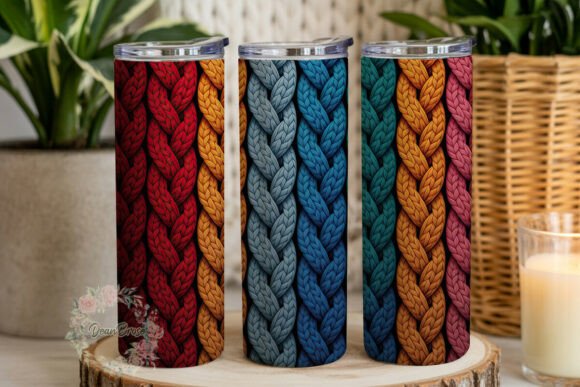
Review: Knit Texture Color Block 20oz Tumbler Design
As a designer who spends more time staring at stitch maps than most people care to admit, I approach every new machine embroidery design with a mix of curiosity and skepticism. When I first pulled up the files for the Knit Texture Color Block 20oz Tumbler, my initial reaction wasn't about the digital preview on the screen, but rather how this specific aesthetic would translate into thread. The product description highlights a "knit texture," which immediately raises questions about density and coverage. In the world of Tumbler Wraps and sublimation, a knit look is easy to fake with pixels. In embroidery, however, achieving that cozy, woven illusion requires a sophisticated interplay of fill stitch directions and careful color blocking.
First Impressions: Mood and Visual Personality
The layout of this design feels modern yet grounded. The "color block" aspect suggests a bold, graphic approach that works exceptionally well for contemporary branding or trendy boutique items. Unlike intricate floral motifs that can get lost in translation, a geometric color block design relies on clean lines and solid areas of color. This creates a strong visual impact, making it an excellent candidate for products where you need immediate recognition. The mood is casual but polished—perfect for a coffee shop's merchandise line or a lifestyle brand targeting young professionals.
What stands out most is the potential versatility. While the title specifies a 20oz tumbler context, as an embroidery reviewer, I see this Graphics asset functioning far beyond drinkware mockups. The dimensions provided (9.3″ x 8.2″) offer a substantial canvas. This isn't a tiny logo; it's a statement piece. The high resolution of 300 DPI ensures that when you are creating printable mockup assets for your Etsy shop or client presentations, the edges remain crisp, allowing you to visualize the final finished product with confidence before a single needle hits the fabric.
Real-World Application: From Screen to Stitch
Let's move away from theory and talk about a real scenario. Imagine you are preparing a collection of custom sweatshirt embroidery for a local university alumni group or a corporate retreat. You need something that looks professional but isn't stiff or overly formal. This is where the Knit Texture Color Block 20oz Tumbler concept shines. If adapted correctly into an embroidery file, the texture element could mimic the fabric of the sweatshirt itself, creating a tonal, sophisticated look that feels high-end.
Consider also the tote bag design market. Canvas bags are ubiquitous, and standing out requires bold graphics. A color block design with a textured fill would add depth to a flat canvas surface. For a small shop product line, this kind of visual interest increases perceived value. Customers are willing to pay more for a handmade product that looks complex and thoughtful. Whether you are creating a personalized gift for a holiday or stocking inventory for a craft fair, the ability to scale this graphic while maintaining its integrity is crucial.
However, we must address the elephant in the room: the file format. The purchase includes PNG files, not native embroidery formats like PES or DST. This is a critical distinction. As a professional, I cannot simply load a PNG into my machine and expect magic. This asset serves best as a reference for digitizing or as a high-quality overlay for marketing materials. If you intend to use this for actual stitching, you will need to have it digitized into a proper digital embroidery file by a professional, ensuring the "knit texture" is recreated using appropriate stitch types like satin columns or carefully angled fill stitches.
Technical Considerations and Fabric Compatibility
When translating a graphic like this into thread, stitch density becomes the primary concern. A "knit texture" implies a lot of coverage. If the digitizer goes too heavy on the fill, you risk creating a cardboard-like stiffness on your garment. This is particularly problematic on stretchy fabrics like jersey knits used for baby embroidery or fitted tees. In these cases, the design needs to be breathable. I would recommend testing the digitized version on scrap fabric first to ensure the material doesn't pucker or distort.
Furthermore, consider the hoop size requirements. With dimensions nearing 9 inches, this design demands a large hoop, likely a 5x7 or larger depending on your machine's capabilities. Trying to force this into a small hoop by scaling it down might result in a loss of detail, especially in the color block transitions. Tiny lettering or intricate corners within the blocks could merge into a muddy mess if the resolution isn't maintained during the resizing process.
Fabric texture also plays a massive role. On a smooth broadcloth, the texture of the stitch will pop beautifully. However, on a heavily textured towel or a looped Terry cloth, the "knit" effect of the design might get lost in the background noise of the fabric. For holiday embroidery projects like kitchen towels, you might need to adjust the underlay or increase the density slightly to ensure the design sits on top of the loops rather than sinking into them.
Enhancing Brand Value and Customer Trust
In the competitive landscape of commercial embroidery, consistency is king. Using a well-thought-out design asset like this helps maintain brand consistency across different products. If you sell both tumblers (via sublimation using the PNG) and apparel (via embroidery using a digitized version), having a unified visual language builds trust. Customers recognize your brand instantly, whether they are holding a mug or wearing a cap.
The professional presentation of your design assets directly influences buyer engagement. High-quality mockups generated from these 300 DPI files can elevate your Etsy listings, making your custom apparel look irresistible. It shows that you pay attention to detail. When a customer sees a crisp, vibrant preview, they trust that the physical item will match that quality. This psychological bridge between the digital image and the tactile reality of the embroidered patch or garment is where sales are won or lost.
Practical Notes for the Working Designer
Before committing this design to a client project, here are a few actionable steps I recommend:
- Verify Licensing: Always confirm the license terms before selling finished items. Just because you bought the file doesn't automatically grant unlimited commercial rights for physical goods.
- Digitize with Care: If converting the PNG to an embroidery file, instruct your digitizer to focus on stitch direction to mimic the knit look without excessive density.
- Thread Contrast: Test different thread colors. Sometimes a monochromatic scheme (different shades of the same color) works better for texture than high-contrast color blocks, depending on the desired vibe.
- Stabilizer Selection: For a design of this size, a cut-away stabilizer is often safer than tear-away, especially on garments that will undergo frequent washing.
- Mockup Testing: Create black and white versions of the mockup to check if the design holds up without relying solely on color for definition.
Ultimately, the Knit Texture Color Block 20oz Tumbler graphic is a versatile tool in the creative entrepreneur's kit. While it arrives as a print-ready asset, its true potential lies in how imaginatively you can adapt its aesthetic into the tactile world of embroidery. By respecting the technical limitations of thread and fabric, and leveraging the strong visual foundation this design provides, you can create standout products that resonate with customers and elevate your craft business.