Abstract Floral Design 20oz Tumbler Wrap Review
As a designer who spends more time staring at stitch maps than most people care to admit, I approach every new machine embroidery design with a mix of curiosity and skepticism. We all know the feeling: you see a beautiful graphic online, purchase the digital embroidery file, and then face the reality of translating those pixels into thread. Today, I am evaluating the Abstract Floral Design 20oz Tumbler Wrap. While the product title suggests a specific application for sublimation or printing on drinkware, my job is to look past the marketing label and determine if this asset holds water—pun intended—for real-world embroidery projects.
First Impressions: Mood and Visual Personality
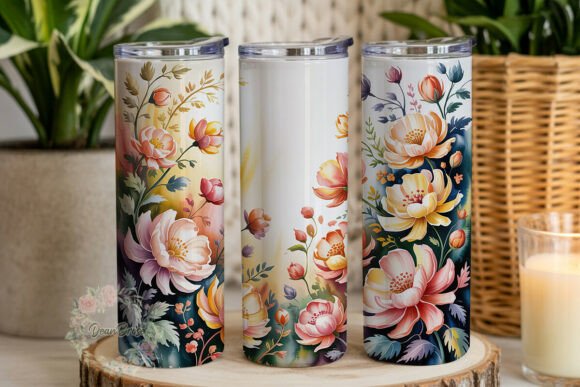
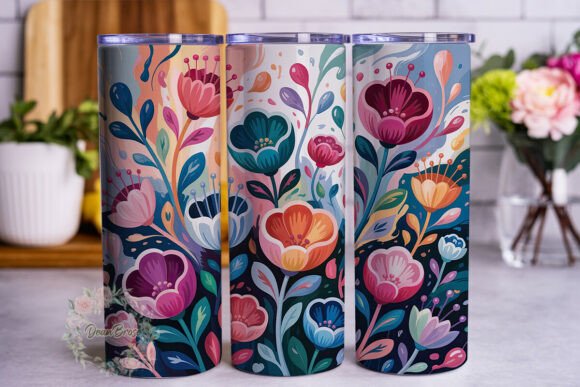
Upon opening the high-resolution files, the first thing that strikes me is the fluidity of the composition. The "abstract floral" theme here isn't rigid or botanical in a scientific sense; it feels organic, almost like watercolor bleeding into wet paper. For an embroidery designer, this translates to a potential goldmine for fill stitch work. The shapes are large enough to allow for creative texture mapping, whether you choose a dense satin column for definition or a lighter fill to mimic the airy feel of the original graphic.
The layout, measuring 9.3″ x 8.2″, offers a substantial canvas. In the world of custom apparel and home decor, this scale is significant. It moves beyond a small chest logo and enters the territory of statement pieces. The mood is modern yet soft, making it versatile enough for a boutique small shop product line or a one-off personalized gift. However, because this is sold primarily as a graphic for Tumbler Wraps, we have to be careful. Graphics designed for print often lack the structural integrity needed for stitching. My initial assessment is that this design has strong bones, but it requires a translator's touch to move from ink to thread.
Real-World Application: Beyond the Tumbler
Let's step into a real-life scenario. Imagine a client comes to you needing a cohesive look for a spring market booth. They want custom apparel that feels high-end but not overly corporate. You decide to adapt the Abstract Floral Design 20oz Tumbler Wrap for a series of oversized sweatshirt embroidery pieces. Because the design is abstract, it forgives minor registration shifts better than a hyper-realistic portrait would.
I can visualize this working beautifully on a heavy-weight French terry sweatshirt. The large surface area of the back panel accommodates the 9.3-inch width perfectly. By breaking the design down into color blocks, you could create a stunning applique design effect. Instead of trying to fill every pixel with thread, which could result in a cardboard-like stiffness, you could use the graphic as a template to cut fabric shapes. This approach respects the fabric texture and keeps the garment wearable.
Alternatively, consider the Etsy seller looking to expand their catalog beyond standard monograms. This graphic could be scaled down slightly to create a unique tote bag design. Canvas bags handle dense stitching well, and the abstract nature of the flowers means you aren't constrained by specific petal counts. It becomes an impressionistic piece of art rather than a literal flower, which often appeals more to modern buyers looking for handmade products with artistic flair.
Navigating Technical Challenges
Here is where experience matters. Just because a file is high resolution (300 DPI) does not mean it is ready to stitch as-is. When adapting Graphics meant for printing into an embroidery file, you must act as the engineer. The original product description notes these are PNG files. This is crucial. You cannot simply load a PNG into your machine; you must digitize it or use auto-digitizing software with extreme caution.
If you are planning to use this for commercial embroidery, pay close attention to stitch density. Large filled areas in the original graphic could translate to thousands of stitches if not managed. On stretchy fabrics like jersey knits used for baby clothes, this density could cause puckering or distortion. For a baby embroidery project, I would recommend simplifying the design significantly, perhaps using only running stitch outlines or converting the larger blooms into appliqué to reduce bulk against sensitive skin.
Furthermore, consider the hoop size. A design of this magnitude likely requires a large hoop or even re-hooping strategies if your machine has limitations. If you attempt to stitch this on a curved surface like a cap, the sheer width of 9.3 inches makes it impossible without severe distortion. This design belongs on flat or gently curved surfaces like pillow covers, tea towels, or the flat panels of a jacket. Avoid using it on textured fabrics like heavy waffle weave unless you plan to use a very thick stabilizer to bridge the gaps, or the fine details of the abstract lines will get lost in the fabric's terrain.
Enhancing Brand Value and Customer Trust
In the competitive landscape of craft business, the quality of your finished product dictates your reputation. Using a well-thought-out design like this can elevate your brand. When a customer receives a holiday gift or a wedding gift featuring this abstract floral motif, the visual appeal speaks to professionalism. It shows that you didn't just grab a clip-art flower; you curated a sophisticated aesthetic.
However, consistency is key. If you sell this as part of a collection, ensure your thread colors match across different items. Test the design in black and white mockups first to ensure the contrast holds up without relying on color differentiation. A design that relies too heavily on subtle color gradients might look muddy when stitched with limited thread palettes. For printable mockup previews on your website, ensure the digitized version looks as crisp as the original PNG to manage customer expectations.
Practical Notes for the Studio
Before committing to a production run or listing this as a new item in your shop, follow these practical steps:
- Test on Scrap Fabric: Always stitch a sample on the exact fabric you intend to sell. What looks good on cotton muslin might behave differently on polyester blends.
- Check Licensing: Since this is sold as a graphic for tumbler wraps, verify the license terms regarding modification and resale. Can you sell the stitched item? Can you sell the digitized file? Never assume; always read the fine print to protect your small business.
- Stabilizer Selection: For a design of this size, a cut-away stabilizer is often safer than tear-away, especially for items that will undergo frequent washing like kitchen towels or aprons.
- Detail Inspection: Zoom in on the smallest corners of the abstract shapes. If they are too tight, your needle might struggle, leading to thread breaks. Simplify these areas during the digitizing phase.
- Contrast Verification: Ensure your thread choices provide enough contrast against dark fabrics. A dark-on-dark embroidery can look chic, but only if the stitch direction creates enough shadow and highlight to define the shape.
Ultimately, the Abstract Floral Design 20oz Tumbler Wrap is a versatile asset, but its true potential lies in how you interpret it. It is not just a picture for a cup; it is a blueprint for texture, color, and form. Whether you are creating a luxury embroidered patch, a statement blanket, or a line of boutique apparel, this design offers a solid foundation. Treat it with the technical respect it deserves, adapt it thoughtfully for the medium of thread, and it can become a standout element in your portfolio of design assets. Remember, the difference between a good product and a great one is often in the details of execution.