Review: Enchanted Owl Floral 20oz Tumbler Wrap Design
As a designer who spends more time staring at stitch maps than most people care to admit, I approach every new digital embroidery file with a mix of excitement and skepticism. We've all been there: you buy a beautiful graphic, convert it, and end up with a puckered mess or a design that loses its charm once the needle hits the fabric. Today, I'm taking a close look at the Enchanted Owl Floral 20oz Tumbler Wrap. While this asset is marketed primarily as a sublimation or print wrap for drinkware, my interest lies in its potential adaptation for high-end embroidery projects. Can this whimsical, nature-inspired graphic translate into a tangible, stitched handmade product that sells?
First Impressions: Mood and Visual Personality
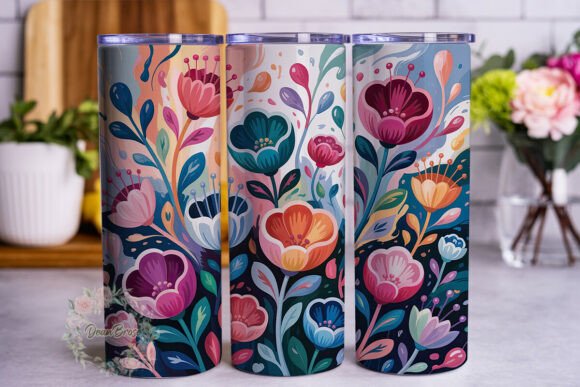
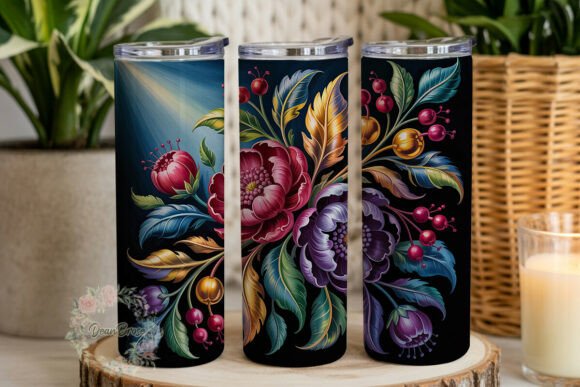
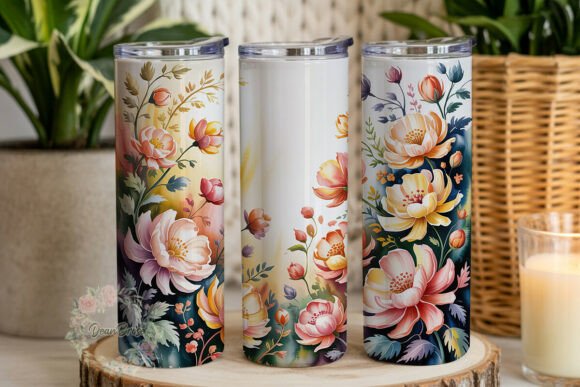
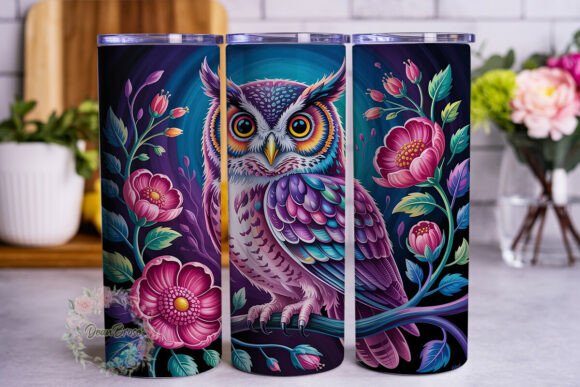
The moment I opened the high-resolution files, the "enchanted" aspect of the title made sense. The layout features a central owl figure surrounded by lush floral elements, creating a mood that is both mystical and cozy. For an embroidery designer, the immediate question is about translation. The original product includes PNG files for straight and tapered tumblers, sized at 9.3″ x 8.2″. This is a large canvas. In the world of machine embroidery design, scale matters immensely. The detail level here suggests a design that wants to breathe. It's not a tiny logo; it's a statement piece.
The visual personality leans heavily toward the boutique aesthetic. It feels right at home in a nursery, a witchy-themed gift shop, or a personalized collection for nature lovers. However, because the source files are graphics intended for printing rather than pre-digitized stitch files, the responsibility falls on us to interpret how these lines become threads. The flowing curves of the flowers and the texture of the owl's feathers would likely require a sophisticated mix of satin stitch for outlines and fill stitch for the broader areas to maintain that soft, hand-drawn look.
Real-World Application: From Screen to Stitch
Let's move beyond theory and talk about a real case scenario. Imagine you run a small craft business specializing in custom baby items and boutique apparel. A client approaches you wanting a unique "welcome home" gift for their newborn, something warmer and more textured than a standard printed onesie. You decide to adapt the Enchanted Owl Floral 20oz Tumbler Wrap for a oversized sweatshirt embroidery project or perhaps a plush tote bag design.
In this context, the design shines. The organic shapes of the florals allow for creative thread blending. You aren't restricted to flat colors; you can use variegated threads to mimic the depth seen in the original graphic. If executed correctly on a high-quality cotton blend, the finished product exudes a level of craftsmanship that justifies a higher price point. It transforms from a simple image into a tactile experience. For an Etsy seller, this kind of differentiation is gold. Customers are increasingly seeking items that feel made-by-hand, and a well-digitized version of this owl could become a signature item for your small shop product line.
However, we must address the elephant in the room: the file format. The purchase includes PNG files, not a native embroidery format like PES or DST. This means you cannot simply load this onto your machine. You must digitize it yourself or hire a professional digitizer. This is a crucial step. A direct auto-digitize of such a detailed graphic often results in excessive stitch density, leading to stiff fabric and poor washability. To make this work as a true embroidery file, you would need to simplify the background details, perhaps turning some of the smaller leaves into running stitch accents or even considering an applique design approach where the floral elements are cut from fabric and stitched down.
Navigating Technical Challenges
While the artistic potential is high, there are technical hurdles to consider before committing this design to a client order. The original dimensions (9.3″ x 8.2″) are quite large for standard home embroidery hoops. Most domestic machines max out at 5″x7″ or 6″x10″. To stitch this at full size, you would need a commercial multi-head machine or a strategy to split the design into sections, which risks alignment issues. For most hobbyists and small business owners, scaling the design down to fit a 4″x4″ or 5″x7″ hoop is the practical route.
When scaling down, you lose detail. The tiny textures in the owl's feathers might merge into a solid blob if the stitch density isn't adjusted. This is where testing on scrap fabric is non-negotiable. You need to see how the design behaves on different materials. On a thick terry cloth towel, the details might get lost. On a thin, stretchy t-shirt, the density could cause puckering unless you use a robust stabilizer. I always recommend testing on the actual garment type you intend to sell. If you are making holiday embroidery gifts like aprons or pillow covers, ensure the backing is cut away cleanly to prevent itchiness against the skin.
Furthermore, consider the fabric texture and color. This design likely relies on contrast. If you stitch it on a dark navy sweatshirt using standard thread colors, it will pop beautifully. But if you attempt it on a black fabric without careful planning of underlay stitches, the design might look muddy. Always check thread colors against your fabric swatches. A quick black-and-white mockup can also reveal if the contrast holds up when color isn't the primary driver of the image.
Commercial Viability and Brand Consistency
For those looking to expand their catalog of design assets, the Enchanted Owl Floral 20oz Tumbler Wrap offers a strong foundation for branding. Consistency is key in building customer trust. If your brand is known for whimsical, nature-inspired goods, this owl fits perfectly. It can be adapted across various products: a patch for a denim jacket, a motif for a baby embroidery blanket, or a focal point for a kitchen tea towel.
The value of the finished product depends entirely on the execution. A poorly digitized version looks cheap and amateurish, damaging your reputation. A well-thought-out adaptation, however, signals professionalism. It shows that you understand not just how to push buttons, but how to manipulate thread to create art. This builds buyer engagement and encourages repeat customers who know they can rely on your quality.
Final Designer Notes
Before you dive in, remember that the downloaded files do not include watermarks, which is great for clean mockups, but they are strictly graphics. You must verify the licensing terms regarding commercial use if you plan to sell the digitized embroidery version. Just because you can print it on a tumbler doesn't automatically grant rights to sell the stitch file or the embroidered goods derived from it—always double-check the specific license included with your purchase.
My advice? Treat the Enchanted Owl Floral 20oz Tumbler Wrap as a high-quality reference image rather than a ready-to-stitch solution. Use it to inspire a custom digitization project. Test your stitch counts, review your color palettes, and ensure your hoop size constraints are respected. If you put in the legwork to adapt this graphic properly, it has the potential to be a standout piece in your portfolio, bridging the gap between digital trends and the timeless appeal of thread and needle.