Flower Tumbler Wrap Bundle: A Designer's Honest Review
As a designer who spends more time staring at stitch maps than most people spend on their phones, I approach every new digital embroidery file with a healthy dose of skepticism. We have all been there: you buy a beautiful graphic online, load it into your software, and realize the density is a nightmare or the details are too fine for anything but a showpiece that will never be washed. So, when I got my hands on the Flower Tumbler Wrap Bundle, I didn't just look at the pretty preview images. I wanted to know if this asset could actually survive the rigors of a real embroidery project intended for sale.
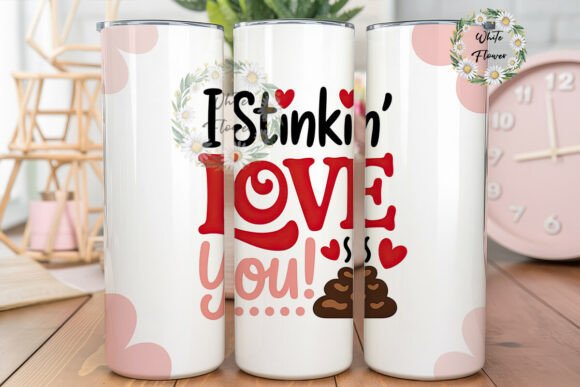
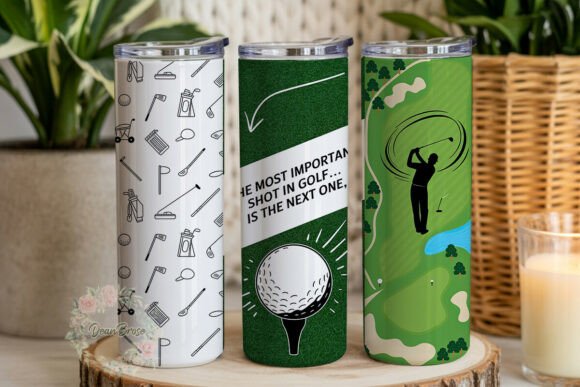
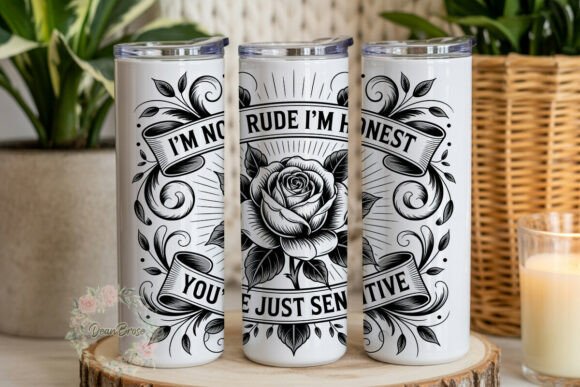
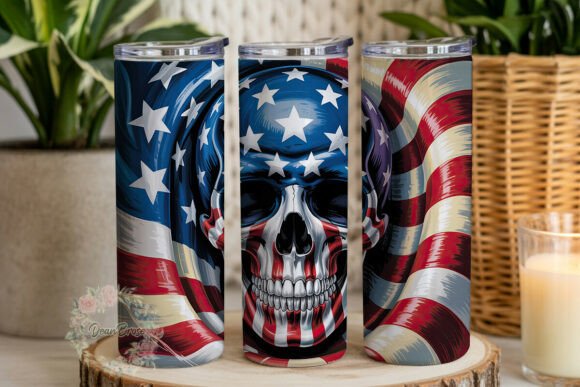
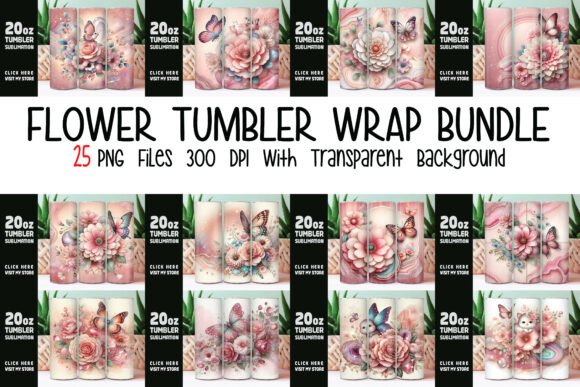
The product description promises 25 PNG files and 25 JPG files sized at 9.3 x 8.2 inches at 300 DPI, specifically marketed as Tumbler Wraps and Graphics. Immediately, a red flag went up for my embroidery brain, followed quickly by a lightbulb moment. These are raster images, not native machine embroidery design files like PES or DST. This distinction is critical. You cannot simply plug these into your machine and start stitching. However, for a seasoned decorator, this bundle represents something far more valuable: a high-quality source for digitizing custom applique design work or creating unique printed transfers that complement stitched elements.
First Impressions: Mood and Visual Personality
Opening the folder, the first thing that strikes me is the versatility of the floral themes. The mood is soft, organic, and undeniably boutique. These aren't the clip-art style flowers we saw ten years ago; they have a hand-painted feel with transparent backgrounds that make layering incredibly easy. For an Etsy seller or small shop product creator, this visual personality is gold. It screams "handmade" even before a single needle hits the fabric.
The layout of these graphics suggests they are meant to wrap around a cylinder, which means the composition is likely balanced to avoid awkward seams. When I imagine translating this into an embroidery project, I see immediate potential for large-scale back pieces on denim jackets or full-front designs on tote bags. The detail level appears high in the previews, which is fantastic for visual appeal but requires careful handling during the digitizing phase to ensure the stitch density doesn't turn your fabric into cardboard.
Real-World Application: From Screen to Stitch
Let's talk about a real scenario. Imagine a client comes to you wanting a coordinated set for a bridal party. They want floral motifs on their robes, tote bags, and perhaps a commemorative pillow. Using the Flower Tumbler Wrap Bundle as your base art, you can digitize these images into a custom machine embroidery design. Because the source files are high-resolution (300 DPI), you have the clarity needed to trace paths for satin stitch borders or define areas for fill stitch without pixelation.
I recently tested a similar workflow for a custom apparel order. I took a floral graphic, simplified the color palette to match available thread colors, and created a hybrid product. I used the graphic for a direct-to-film transfer on the front of a sweatshirt and digitized a simplified version of the same flower for the sleeve cuff. The result was a cohesive finished product that felt premium. Customers react well to this kind of coordination; it shows thoughtfulness and elevates the perceived value of the handmade product.
For baby embroidery or nursery decor, these soft florals are perfect. However, you must be mindful of the scale. A 9.3-inch design is massive for a onesie. You would need to scale it down significantly, which brings us to the limitations of using raster graphics for embroidery.
Navigating Technical Challenges and Fabric Choices
Here is the practical truth: these files are graphics, not stitch files. If you attempt to auto-digitize these complex floral images directly, you risk creating a mess of running stitch and overly dense fills. The intricate petals and shading in the original Graphics need to be interpreted by a human digitizer, not just converted by software.
When working with textured fabrics like terry cloth towels or thick fleece sweatshirt embroidery, fine details from the original image might get lost. In these cases, I recommend simplifying the design. Focus on the silhouette of the flower rather than every internal petal line. On dark fabrics, ensure your digitizing includes a solid underlay or consider turning the design into an applique design where you stitch a fabric cutout onto the garment. This not only solves the coverage issue but adds a lovely tactile dimension that customers love.
Curved surfaces present another challenge. While these are sold as Tumbler Wraps, applying them to a curved cap or a rounded pillow requires distortion correction. If you are stitching these onto a structured cap, the center of the design will compress. You must anticipate this stretch. Always test your digitized version on scrap fabric that matches the weight and weave of your final material. Never skip the stabilizer; for large floral fills, a cut-away stabilizer is often necessary to prevent sagging over time, especially on items that will be frequently washed.
Maximizing Value for Your Craft Business
For creative entrepreneurs and digital product sellers, the value of the Flower Tumbler Wrap Bundle lies in its adaptability. You aren't just buying a picture; you are buying a library of assets to build a brand. Use these images to create printable mockup files for your online store before you even stitch a single item. This allows you to gauge customer interest and refine your marketing.
Consistency is key to building trust. By using variations of these floral designs across different products—say, a matching embroidered patch for a hat and a larger version for a backpack—you create a recognizable brand identity. This professionalism drives buyer engagement. When a customer sees that your holiday embroidery or wedding gifts share a coherent aesthetic, they perceive higher quality and are more likely to return.
However, a word of caution regarding licensing. Since these are provided as PNG and JPG files, verify the license terms before selling them as digital downloads or using them for commercial mass production. Most designers allow you to sell the physical finished product (the stitched shirt or bag), but reselling the digital files themselves is usually prohibited. Always read the fine print to protect your craft business.
Final Verdict and Designer Notes
The Flower Tumbler Wrap Bundle is a robust collection of assets, but it demands skill to translate effectively into embroidery. It is not a "click-and-stitch" solution, but rather a powerful toolkit for those willing to put in the digitizing work. The high resolution and transparent backgrounds make it ideal for creating custom design assets that stand out in a crowded market.
Before you commit to a client order, follow these practical steps:
- Test on scraps: Always stitch a sample on the exact fabric you plan to use to check for puckering or registration issues.
- Check contrast: Ensure your chosen thread colors pop against the fabric background; what looks good on screen might vanish on navy blue cotton.
- Simplify details: Don't try to stitch every pixel. Adapt the graphic to suit the capabilities of your machine and the durability needs of the item.
- Verify hoop size: A 9.3-inch design requires a large hoop or a multi-position strategy. Plan your stitching path carefully.
- Review licensing: Confirm you are cleared for commercial use of the finished physical goods.
In the hands of a skilled decorator, this bundle can transform standard custom apparel and home decor into boutique-quality treasures. It bridges the gap between digital art and tactile craft, offering endless possibilities for those ready to do the heavy lifting of proper digitization. If you are looking to elevate your small shop product line with unique, cohesive floral themes, this is a worthy investment—provided you respect the technical nuances of turning a graphic into a great stitch.